
The Science Behind Hypnotherapy: Understanding the Mind-Body Connection
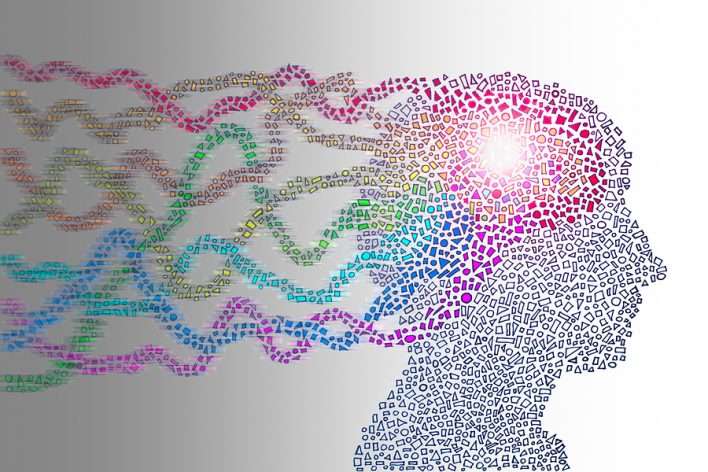
Hypnotherapy has been used for centuries to promote healing, reduce pain, and improve overall well-being. While it may seem mysterious or esoteric to some, the practice of hypnosis is rooted in scientific principles that have been studied and validated by researchers around the world. In this blog post, we’ll explore the fascinating science behind hypnotherapy and its profound effects on the mind-body connection.
The Neuroscience of Hypnosis
Advancements in brain imaging technology have provided researchers with unprecedented insights into the neural mechanisms underlying hypnosis. Functional magnetic resonance imaging (fMRI) studies have shown that during hypnosis, there is a decrease in activity in the default mode network, a brain network associated with self-referential thinking and mind wandering. At the same time, there is an increase in activity in brain regions involved in attention, suggestibility, and the processing of sensory information.
Hypnosis and the Subconscious Mind
One of the key principles of hypnotherapy is its ability to access the subconscious mind, where deeply ingrained beliefs, memories, and emotions reside. Unlike the conscious mind, which is rational and analytical, the subconscious mind operates on a more primitive level, influencing our thoughts, feelings, and behaviors in profound ways. Through hypnosis, individuals can bypass the critical faculty of the conscious mind and communicate directly with the subconscious, making it more receptive to positive suggestions and therapeutic interventions.
The Power of Suggestion
Suggestion plays a central role in hypnotherapy, as it is through suggestion that changes in behavior, perception, and experience can be achieved. During hypnosis, the hypnotherapist may use verbal cues, imagery, or metaphors to suggest new ways of thinking, feeling, or behaving to the client. These suggestions are tailored to the individual’s specific goals and can help facilitate the desired changes at a subconscious level.
Hypnosis and the Body
The mind-body connection is a fundamental aspect of hypnotherapy, as hypnosis has been shown to influence various physiological processes in the body. Research has demonstrated that hypnosis can modulate pain perception, reduce inflammation, enhance immune function, and regulate autonomic nervous system activity. By harnessing the power of the mind, hypnotherapy can promote healing and wellness on a physical as well as psychological level.
Conclusion
Hypnotherapy is not magic, but rather a scientifically grounded approach to promoting health and well-being. By understanding the neuroscience behind hypnosis and its effects on the mind-body connection, we can appreciate its potential to transform lives and empower individuals to reach their full potential. Whether you’re seeking relief from pain, overcoming a phobia, or striving for personal growth, hypnotherapy offers a safe, natural, and effective solution for achieving lasting change. So why not explore the transformative power of hypnotherapy and experience the profound benefits for yourself?